

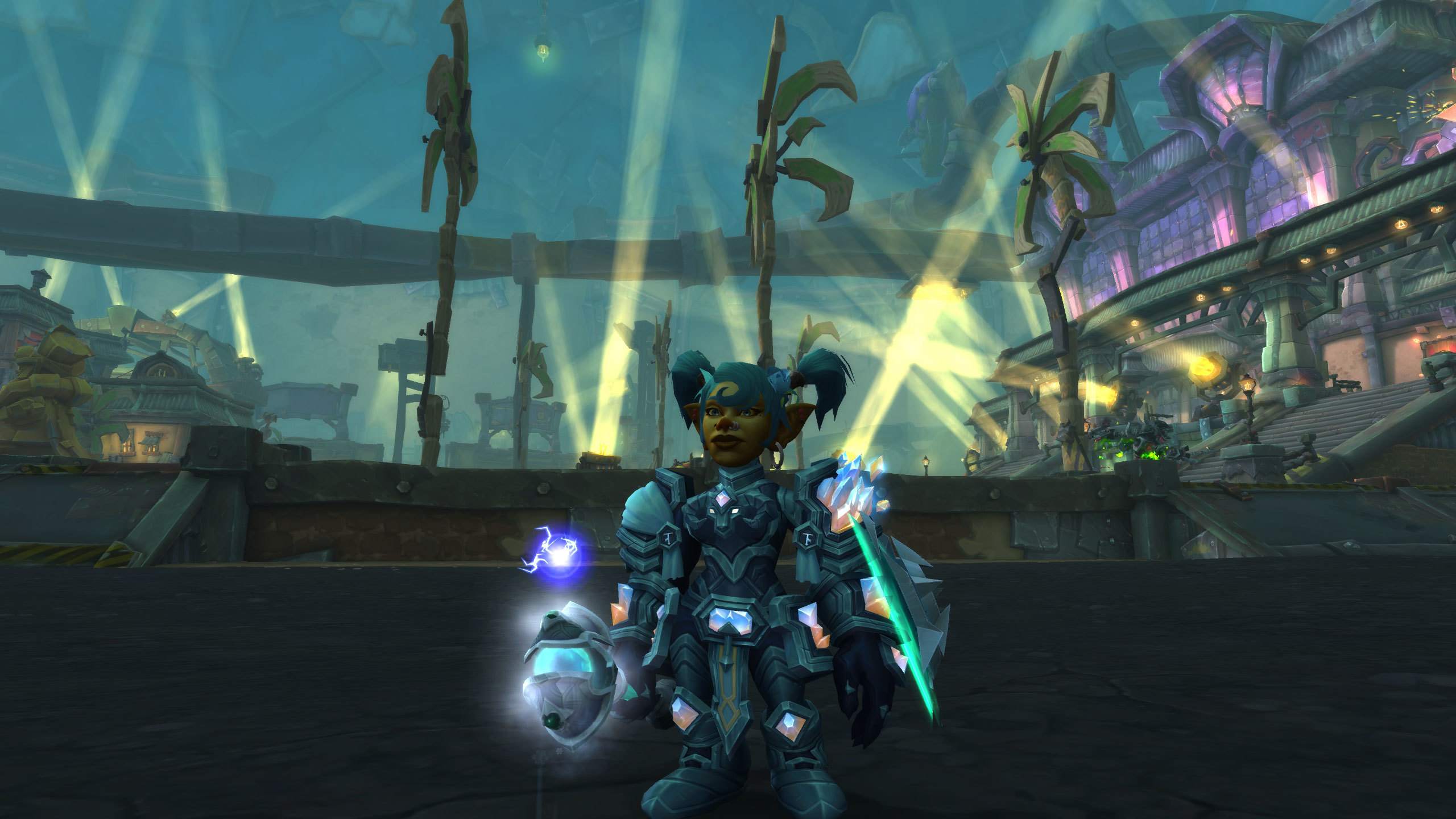
Modern encounters demand more than quick reactions—they demand sustained attention. With layered mechanics, overlapping visuals, and constant movement, success increasingly depends on where players place their focus. Attention has become one of the most valuable resources in contemporary gameplay.
This article explores how attention drives success and why focus often outweighs raw execution.
Attention as a Limited Resource
Players can only track so much at once. Effective gameplay depends on prioritizing relevant information and filtering out noise. Those who manage attention well remain composed even during complex moments.
Distraction quickly turns manageable encounters into overwhelming ones.
Selective Focus Over Constant Awareness
Success doesn’t require watching everything—it requires watching the right things. Experienced players identify key mechanics and anchor their attention there, allowing secondary information to fade into the background.
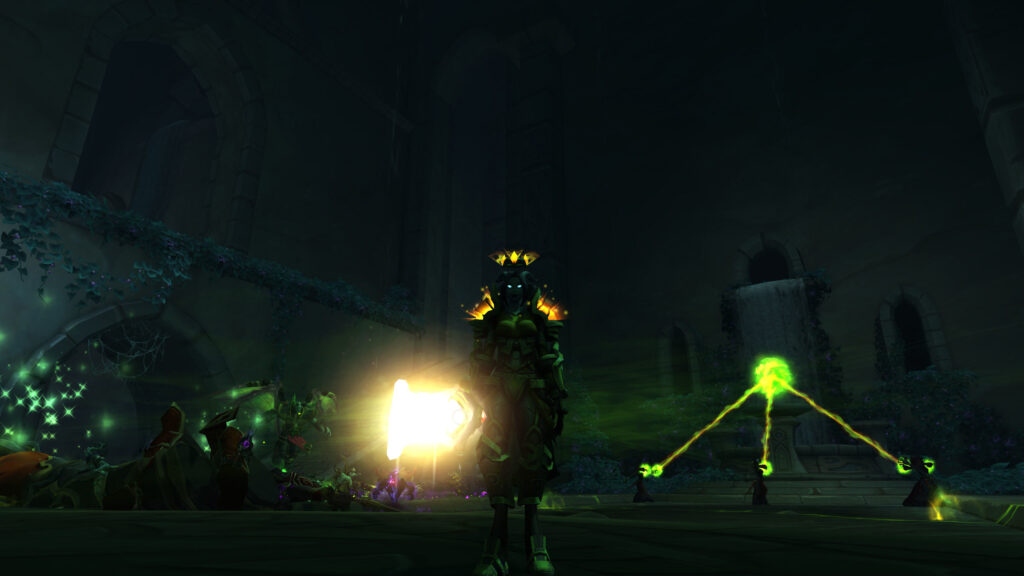
This selectivity preserves mental clarity.
Where Players Commonly Direct Attention During Encounters
Attention naturally shifts depending on role and situation, but certain focus points consistently matter most.
- Immediate positional threats
- Personal responsibility mechanics
- Cooldown timing windows
- Group movement cues
Prioritizing these elements stabilizes execution.
Attention Reduces Reaction Time
Focused players react faster because they are already looking in the right place. Anticipation replaces surprise, turning reactions into confirmations rather than emergencies.
This readiness separates controlled play from scramble-driven responses.
Why Attention Outlasts Mechanical Skill
Mechanical precision can degrade under stress, but attention remains trainable. Players who learn to manage focus adapt more easily to new mechanics and encounter designs.
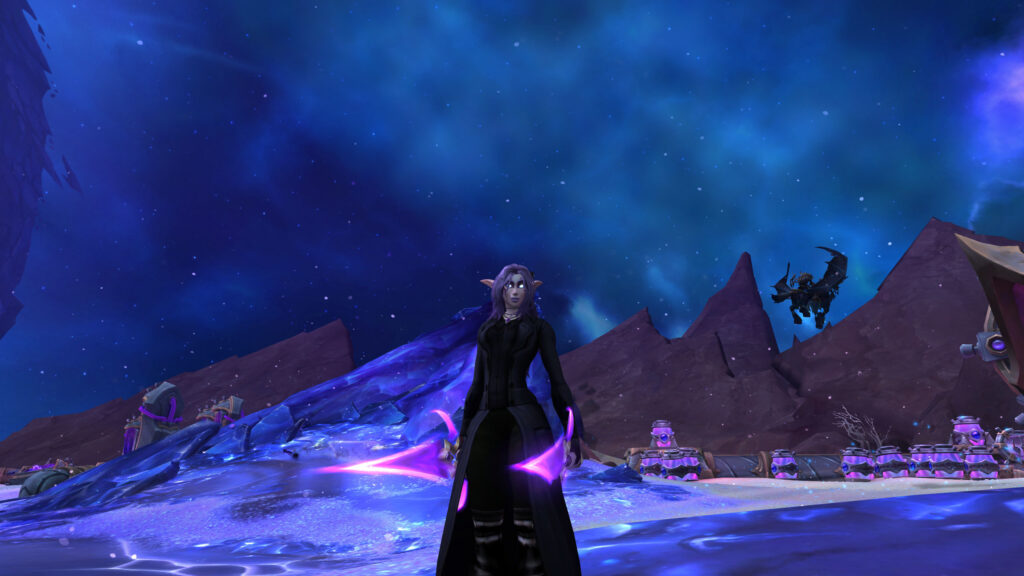
Attention becomes a transferable skill across content.
Conclusion
Attention now drives success across modern encounters. By prioritizing focus, filtering noise, and anticipating key moments, players gain stability in increasingly complex environments. In a game filled with motion and information, where attention goes, success follows.