

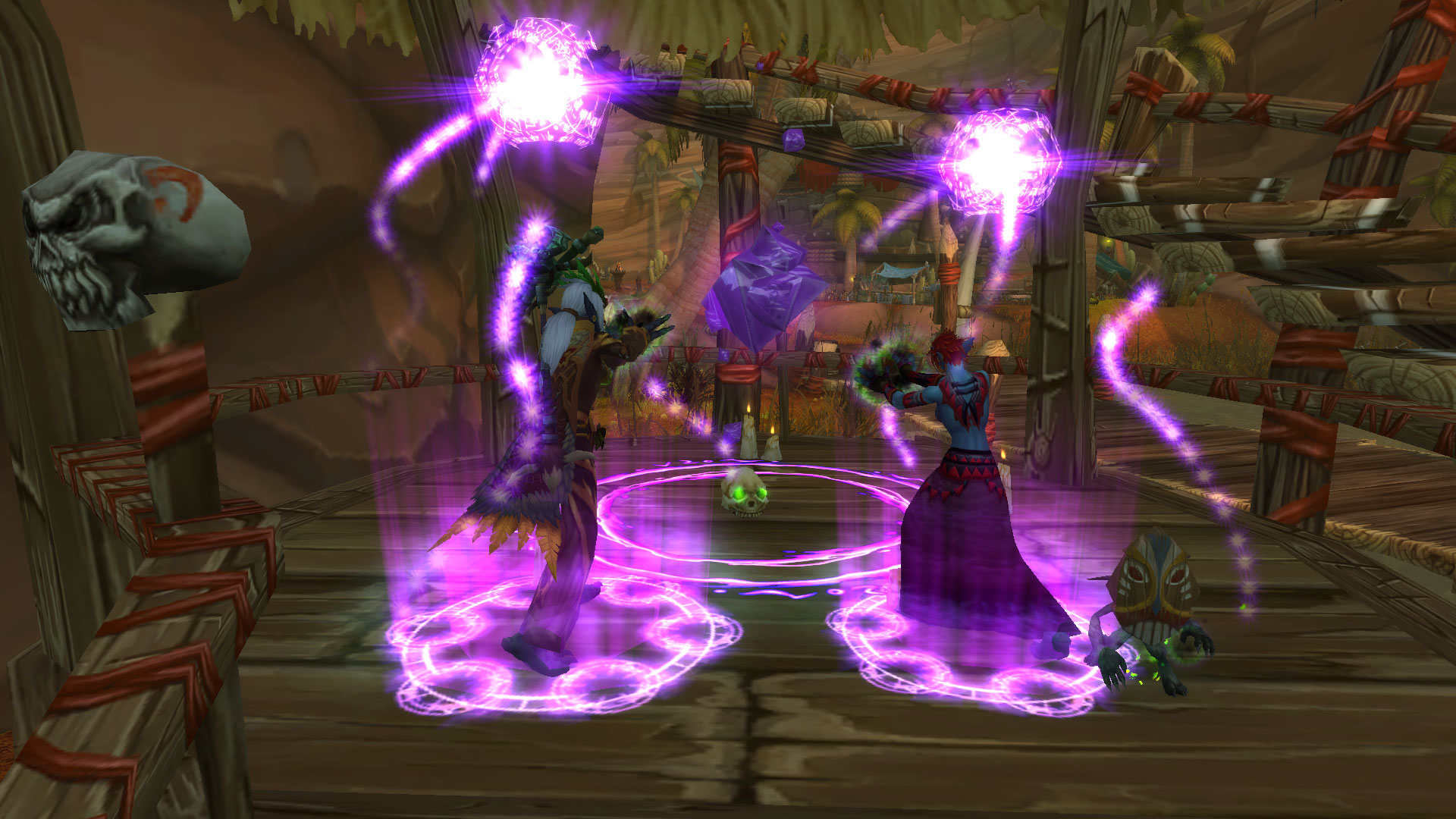
The Destruction Warlock specialization in World of Warcraft: Pandaria has been a pivotal force in raid damage output, primarily through the effective use of Burning Embers. Understanding the intricacies of rotations and the mechanics behind this powerful resource is essential for maximizing performance. This guide delves into the optimal rotations, the significance of Burning Embers, and strategic insights to elevate your gameplay in high-stakes encounters.
What are the best Destruction Warlock rotation metrics for Burning Embers?
The optimal Destruction Warlock rotation focuses on maximizing Burning Embers through efficient spell casting, prioritizing Chaos Bolt and Incinerate for peak damage output.
To effectively manage your Burning Embers, it’s crucial to understand the key metrics that influence your damage output. The following table outlines the essential spell metrics and their impact on your overall performance during raids.
| Spell Name | Damage | Cast Time | Burning Ember Cost |
|---|---|---|---|
| Chaos Bolt | 150% Spell Power | 2.0 seconds | 1 Ember |
| Incinerate | 100% Spell Power | 1.5 seconds | 0 Ember |
| Conflagrate | 200% Spell Power | Instant | 1 Ember |
How does the Burning Ember mechanic work in Destruction Warlocks?
The Burning Ember mechanic allows Destruction Warlocks to store and unleash powerful spells, significantly enhancing their damage potential during encounters.
Burning Embers are generated through the use of spells like Incinerate and Conflagrate, which are integral to the Destruction Warlock’s damage rotation. Each Ember represents a resource that can be expended to cast high-damage spells such as Chaos Bolt. The ability to manage these Embers effectively is crucial, as it directly correlates to your damage output. Additionally, the more Embers you have, the more powerful your spells become, creating a dynamic where resource management is key to maximizing DPS.
Mechanically, each spell has a specific interaction with Burning Embers. For instance, casting Incinerate generates Embers, while Conflagrate consumes them for instant damage. The synergy between these spells creates a rhythm that players must master. Understanding the cooldowns and the timing of each spell is essential; for example, using Conflagrate immediately after generating Embers ensures that you maintain a steady flow of damage while minimizing downtime.
Moreover, the strategic use of cooldowns such as Dark Soul: Instability can amplify the effects of your spells, allowing for bursts of damage that can turn the tide in raid encounters. Players should also consider the timing of their spell casts to align with raid mechanics, ensuring that they maximize their damage potential while remaining aware of their surroundings.
What are the essential steps for mastering Destruction Warlock rotations?
Mastering Destruction Warlock rotations involves a systematic approach to spell casting, prioritizing the generation and expenditure of Burning Embers for optimal damage.
To effectively master your rotation, follow these critical steps that will enhance your gameplay and damage output. Each step is designed to ensure that you are maximizing your potential as a Destruction Warlock in raid scenarios.
- Start with a pre-cast of Incinerate to generate your first Burning Ember.
- Immediately follow up with Conflagrate to consume the Ember and deal instant damage.
- Once you have at least one Ember, cast Chaos Bolt to unleash high damage output.
- Repeat the cycle, ensuring to maintain a steady flow of Incinerate and Conflagrate to generate and spend Embers effectively.
How can I optimize my Destruction Warlock’s performance in raids?
Optimizing your Destruction Warlock’s performance requires a deep understanding of spell interactions, cooldown management, and situational awareness during raids.
To achieve peak performance, focus on several critical parameters that influence your damage output. First, ensure that you are using your cooldowns effectively. Abilities like Dark Soul: Instability should be timed with your highest damage spells to maximize their impact. Additionally, consider the use of trinkets and other gear that enhance your spell power or critical strike chance, as these can significantly boost your overall damage.
Another important aspect is positioning. As a Destruction Warlock, you need to maintain a safe distance from enemies while ensuring that you are within range to cast your spells. This positioning allows you to avoid unnecessary damage while maintaining a high damage output. Furthermore, be aware of raid mechanics that may require you to reposition or adjust your rotation. Flexibility in your approach will ensure that you can adapt to changing conditions while still delivering consistent damage.
Finally, practice your rotation regularly to develop muscle memory. The more familiar you are with the timing and sequence of your spells, the more effectively you will be able to respond to dynamic raid situations. Consider using simulation tools to analyze your performance and identify areas for improvement.
What common issues should I troubleshoot with Destruction Warlock rotations?
Common issues with Destruction Warlock rotations often stem from mismanagement of Burning Embers, improper spell sequencing, and lack of situational awareness.
Players may encounter several challenges when attempting to optimize their Destruction Warlock rotations. One frequent issue is the inefficient generation and expenditure of Burning Embers, which can lead to suboptimal damage output. To troubleshoot this, ensure that you are consistently casting Incinerate to generate Embers and using Conflagrate effectively to consume them. If you find yourself with a full Ember bar, it may indicate that you are not casting Chaos Bolt frequently enough.
Another common problem is the misalignment of cooldowns. Players often forget to synchronize their powerful abilities with their highest damage spells, resulting in wasted potential. Regularly review your cooldown management and ensure that you are using abilities like Dark Soul: Instability in conjunction with your most potent spells. Additionally, be mindful of your positioning and the mechanics of the encounter; failing to adapt can result in missed opportunities for damage.
Lastly, consider reviewing your gear and talents to ensure they align with your desired playstyle. Certain talents may enhance your damage output significantly, while others may not fit your rotation as well. Experimenting with different setups can help you identify the optimal configuration for your playstyle.
What future trends should I be aware of for Destruction Warlocks in raids?
Future trends for Destruction Warlocks in raids are likely to focus on further enhancing Burning Ember mechanics and integrating new spells that synergize with existing rotations.
As World of Warcraft continues to evolve, the Destruction Warlock specialization is expected to see changes that may affect gameplay dynamics. Developers often seek to balance the power of various classes, which may lead to adjustments in how Burning Embers function. Keeping an eye on patch notes and community discussions can provide insights into upcoming changes that may impact your rotation.
Additionally, the introduction of new spells or talents could further enhance the synergy within the Destruction Warlock’s toolkit. Players should remain adaptable and open to experimenting with new mechanics as they are introduced. This adaptability will ensure that you can maintain high performance regardless of changes to the game.
Finally, consider the potential for new gear and items that may enhance your spellcasting capabilities. As new expansions and patches are released, the availability of items that boost spell power, critical strike chance, or other relevant stats will continue to shape the meta. Staying informed and adjusting your build accordingly will be crucial for maintaining your edge in raids.