

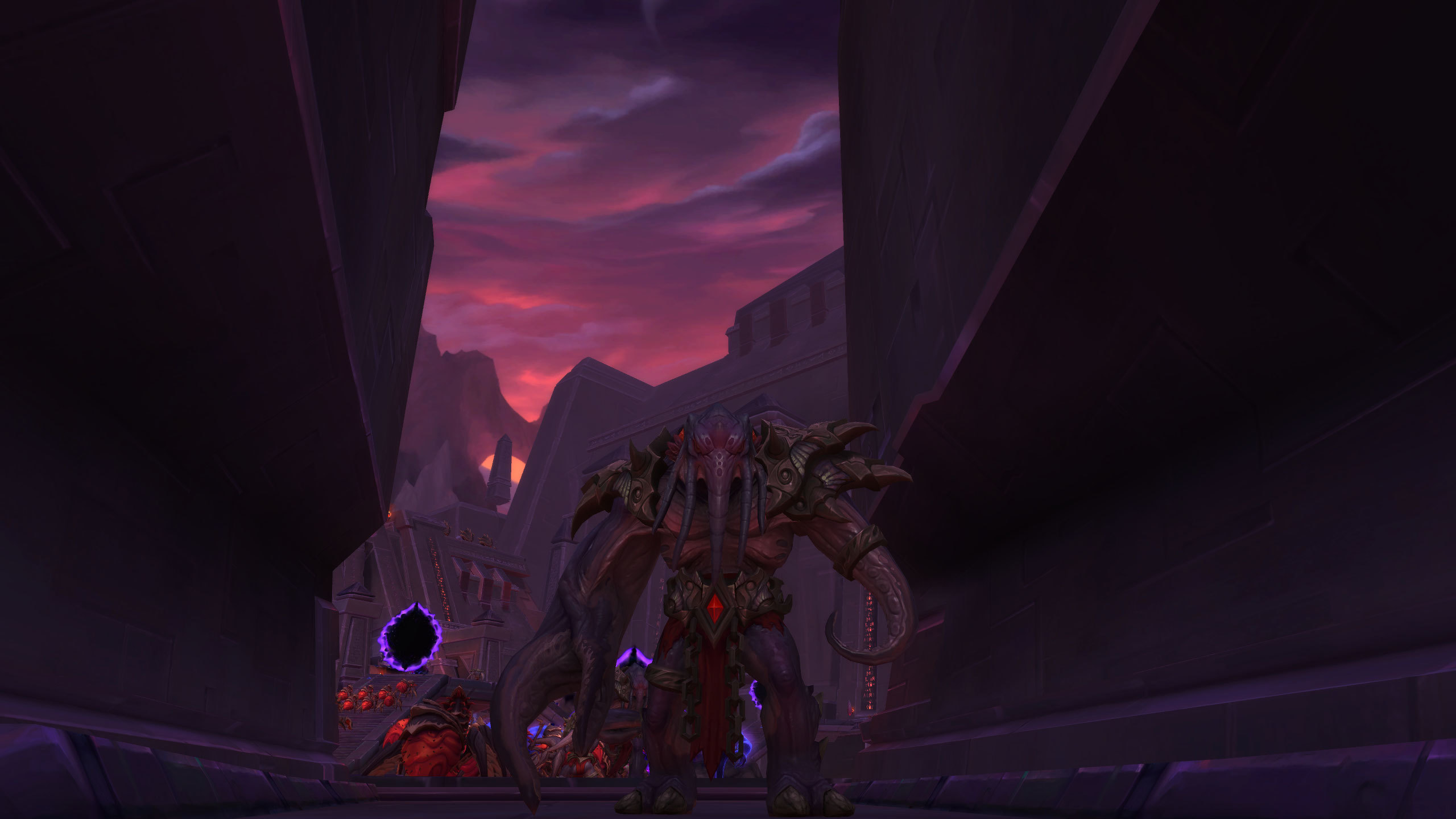
Few games have endured the passage of time like World of Warcraft. For two decades, Blizzard has maintained a delicate balance—honoring nostalgia while embracing innovation. Longtime players crave the familiar; newcomers seek accessibility and discovery. The studio’s challenge lies in preserving the game’s spirit without allowing it to stagnate. Every expansion, from Classic relaunches to The War Within, reflects a philosophy of evolution without erasure.
This article explores how Blizzard continues to protect WoW’s legacy while keeping the experience vibrant and welcoming for the next generation of adventurers.
The Foundation of Legacy
World of Warcraft’s earliest years defined everything that followed. Its hand-crafted zones, quest lines, and faction rivalry became the DNA of the franchise. Blizzard’s preservation efforts begin with memory—keeping these foundations intact through WoW Classic and archival fidelity. The experience of exploring Elwynn Forest or crossing the Barrens remains largely unchanged, offering returning players a living time capsule. Legacy isn’t just nostalgia—it’s continuity across generations of gamers.
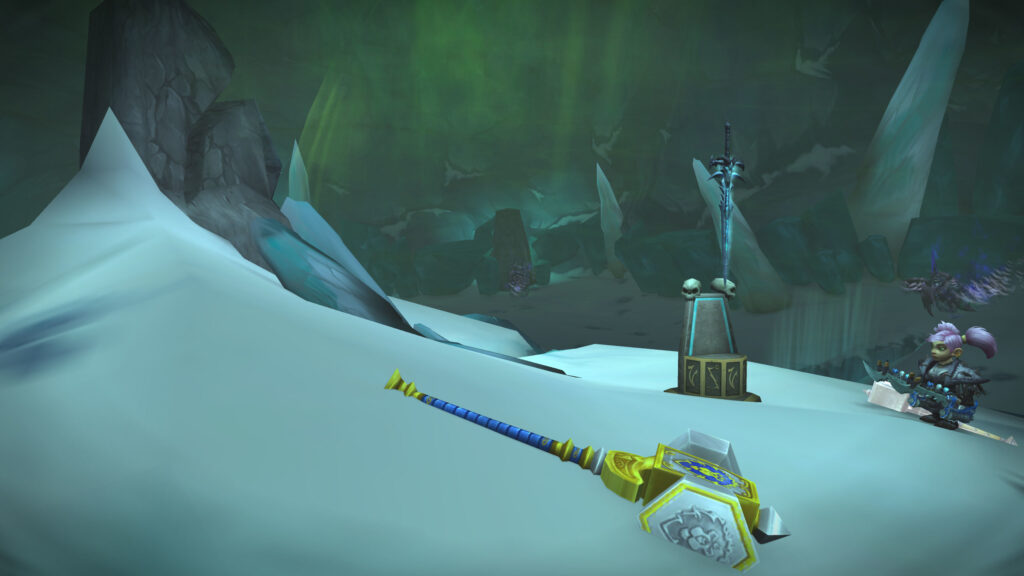
Every blade of grass in Classic whispers a story from 2004—and it still matters.
Modernization Through Accessibility
Preserving history means little if new players can’t enjoy it. Blizzard’s gradual improvements—quest tracking, map integration, cross-realm grouping, and tutorial systems—remove friction while preserving spirit. The game now teaches rather than overwhelms, letting new players experience the same wonder without archaic obstacles. The addition of Chromie Time lets adventurers start their journey in any expansion, bridging past and present in a seamless timeline.
Modernization isn’t about changing the past—it’s about translating it for today.
Classic and Retail: Two Worlds, One Legacy
Blizzard’s greatest innovation may be the coexistence of Classic and Retail versions. Each serves a different audience but shares the same universe. Classic celebrates slow, deliberate adventure; Retail celebrates speed and spectacle. Their parallel evolution proves Blizzard’s understanding of diversity within its community. Instead of forcing players into one path, WoW now honors both—the historian and the explorer, the collector and the competitor.
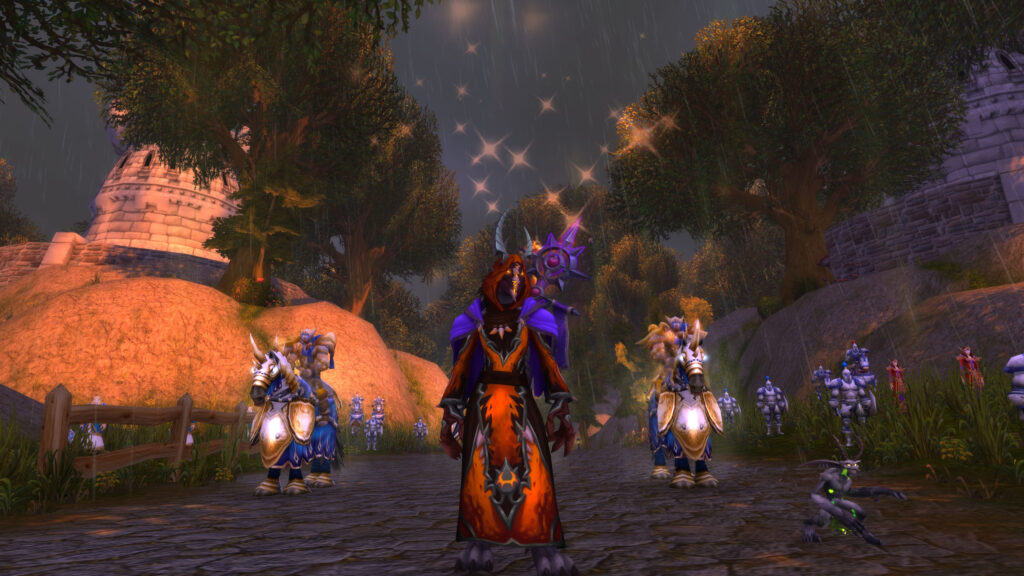
Legacy thrives not by preservation alone, but by coexistence.
| Version | Core Appeal | Primary Strength | Design Focus |
|---|---|---|---|
| WoW Classic | Authentic nostalgia | Community-driven exploration | Pacing and immersion |
| Classic Era | Permanent world state | Purity of experience | Historical authenticity |
| Season of Discovery | Fresh mechanics on old foundation | Innovation through remix | Experimental nostalgia |
| Retail (Modern WoW) | Dynamic systems and accessibility | Scalability and balance | Ongoing evolution |
Storytelling: Connecting Past and Future
WoW’s narrative structure is a conversation between eras. Blizzard threads continuity through recurring characters, unresolved storylines, and returning locations. The reappearance of Chromie, Thrall, and Anduin connects players across decades of storytelling. Each new expansion adds to a shared mythos rather than replacing it. The game’s history remains relevant because Blizzard treats lore as a living organism—growing, but never shedding its roots.
In Warcraft, the past is never gone—it’s waiting to be rediscovered.
Technology as Preservation
Blizzard uses technology to preserve immersion rather than disrupt it. Upgraded graphics, dynamic lighting, and UI customization all enhance nostalgia rather than overwrite it. Players can still recognize Stormwind’s skyline even under modern shaders. Each visual evolution deepens emotional memory while future-proofing the world. The key lies in restraint: improving clarity without erasing identity.
Preservation through progress keeps the familiar feeling alive in sharper form.
The War Within: Legacy Evolved
The War Within exemplifies Blizzard’s mastery of legacy preservation. Its Warband system embraces account-wide progression, reflecting how long-term players experience the game as a family of characters rather than individuals. Meanwhile, its grounded storytelling—focused on emotion rather than cosmic warfare—mirrors Classic’s humanity. Blizzard no longer chases spectacle; it refines purpose. This is legacy reborn, matured through two decades of understanding.
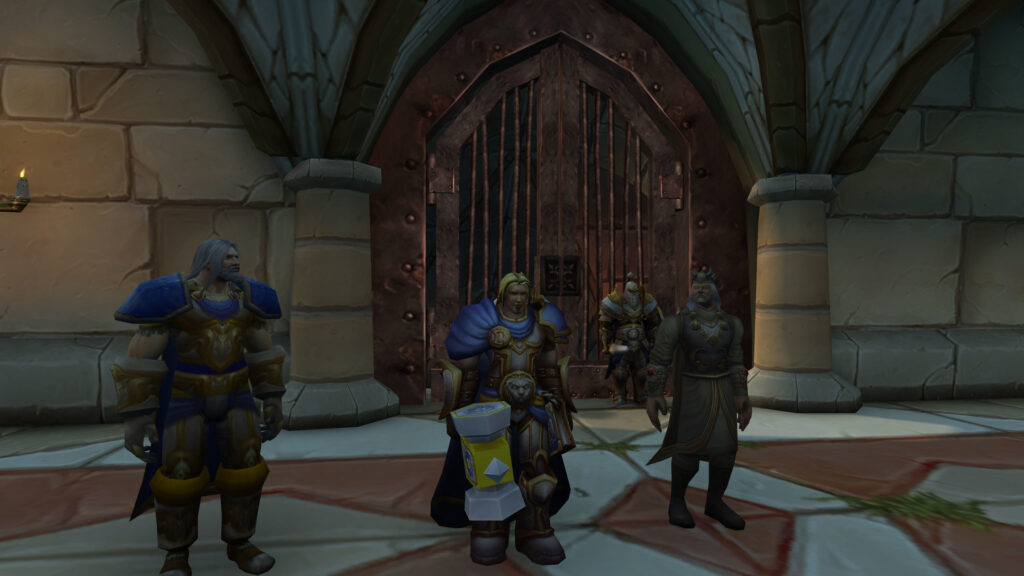
The War Within doesn’t just continue WoW’s legacy—it distills it.
Conclusion
Blizzard’s secret to WoW’s longevity lies in evolution without abandonment. The developers understand that nostalgia isn’t about freezing time—it’s about remembering why players fell in love with the game. Through careful modernization, parallel experiences, and emotional continuity, WoW bridges generations seamlessly. Its legacy endures not as a museum—but as a living world, still growing, still changing, still calling players home.
Because preserving history isn’t about keeping it still—it’s about keeping it alive.